
Are You Paying Too Much for Healthcare? Here’s How DPC Saves Families $3,000+ Per Year
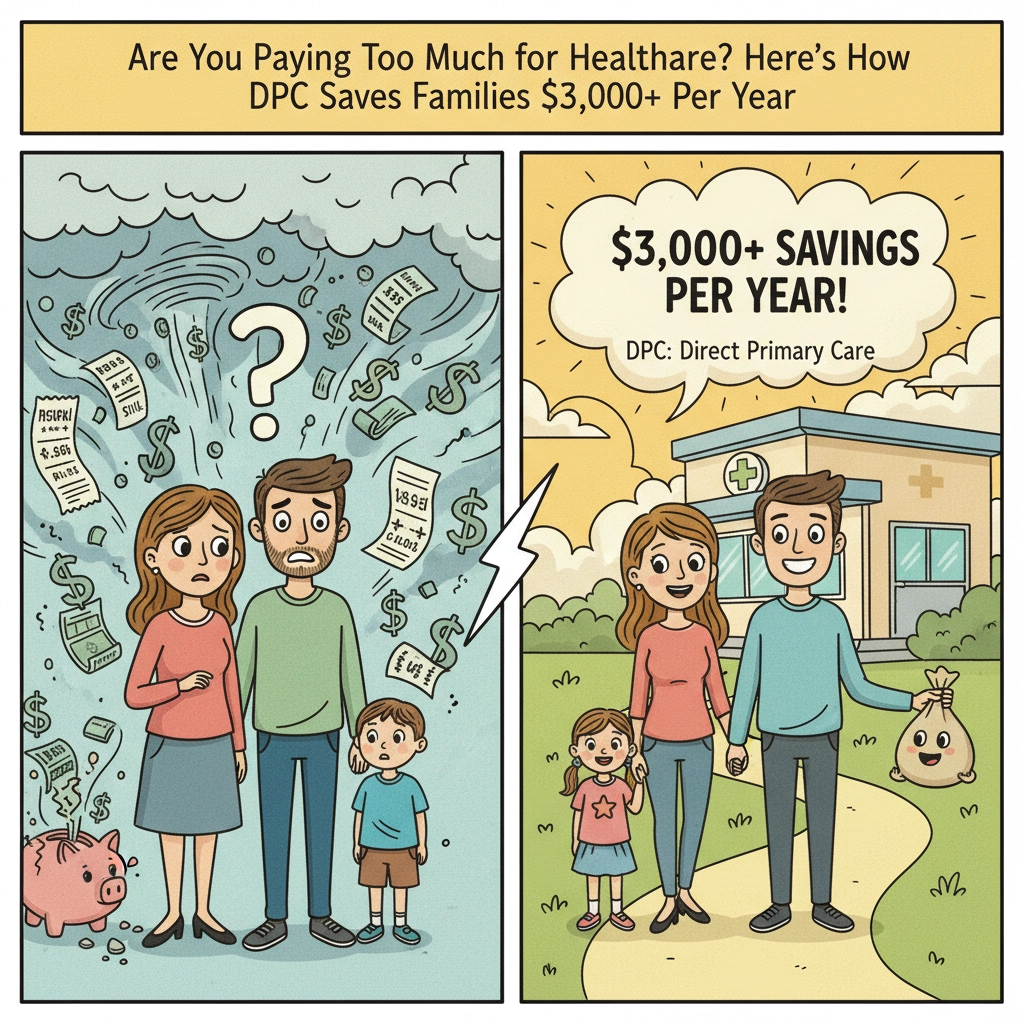
If you're like most families, you're probably spending way more on healthcare than you realize: and getting less than you deserve in return. Between insurance premiums, copays, deductibles, and those surprise medical bills that show up months later, the average American family spends over $22,000 annually on healthcare costs. But what if we told you there's a straightforward way to cut those expenses by $3,000 or more each year while actually getting better care?
Direct Primary Care (DPC) is changing how families think about healthcare costs. Instead of navigating the confusing maze of traditional insurance, you pay one simple monthly fee and get unlimited access to your family doctor. No copays, no deductibles, no surprise bills: just transparent, affordable healthcare that puts your family first.
The Hidden Costs Draining Your Family Budget

Before we dive into how DPC saves you money, let's talk about where your healthcare dollars are really going. Traditional healthcare hides costs everywhere. You're paying insurance premiums that keep rising year after year, copays for every single visit, deductibles that can reach thousands of dollars, and coinsurance that kicks in after you've already spent a fortune.
Then there are the indirect costs most families don't even think about: time off work for appointments you can't get quickly, emergency room visits because you couldn't reach your doctor, and duplicate tests because your medical records are scattered across different systems.
The average family with traditional insurance pays:
- $400-$600+ monthly premiums
- $25-$75 copays per office visit
- $500-$3,000+ annual deductibles
- Variable costs for lab tests and procedures
- Additional copays for preventive care
When you add it all up, you're looking at thousands of dollars in predictable costs: plus the unpredictable emergency expenses that can derail your budget overnight.
How DPC Transforms Your Healthcare Budget
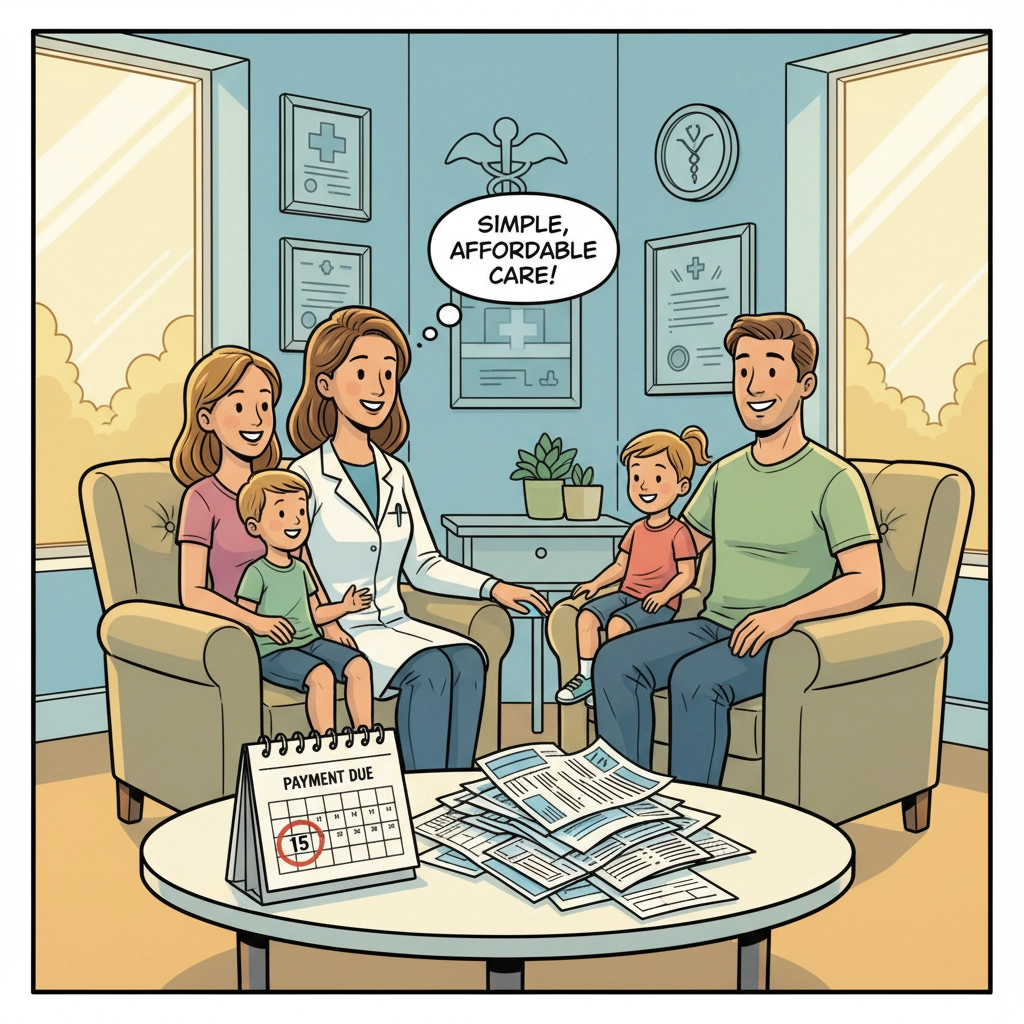
Direct Primary Care flips this entire system on its head. Instead of dealing with insurance companies, billing departments, and endless paperwork, you pay your doctor directly. For most families, this means a monthly membership fee between $75-$165 per person, depending on age.
Here's what that monthly fee covers:
- Unlimited office visits with no copays
- Same-day or next-day appointments
- Direct communication with your doctor via phone, text, or email
- Comprehensive preventive care
- Basic procedures and minor surgeries
- Deeply discounted lab work and imaging
- Generic medications at wholesale prices
Think about it: if you're currently paying $50 copays for doctor visits, just three visits per year would cost you $150: nearly covering an entire month of DPC membership for some family members.
The Real Numbers: Where Families Save Big
The most significant savings come from what DPC prevents rather than what it provides directly. Families using Direct Primary Care experience 40% fewer emergency room visits and 30% fewer hospitalizations compared to traditional healthcare systems. Some studies show emergency room visit reductions of up to 65%.
Let's put this in perspective: the average emergency room visit costs between $1,500-$3,000. If your family avoids just one ER visit per year through better preventive care and direct access to your doctor, you've potentially saved enough to cover an entire year of DPC membership.

But the savings go deeper than avoiding emergencies. Because DPC doctors aren't rushing through 7-minute appointments to see as many patients as possible, they can focus on preventive care that keeps small problems from becoming expensive ones. Patients managing diabetes through DPC show a 12% improvement in blood sugar control, preventing costly complications down the road.
Smart Strategy: Pairing DPC with High-Deductible Insurance
Here's where the math gets really interesting. Many families are discovering that combining DPC with a high-deductible health plan (HDHP) gives them the best of both worlds: comprehensive primary care coverage plus catastrophic protection for major emergencies.
A typical setup might look like this:
- DPC membership: $150/month ($1,800 annually)
- High-deductible insurance premium: $300/month ($3,600 annually)
- Total: $5,400 per year
Compare this to comprehensive insurance plans that often cost $8,000-$12,000 annually in premiums alone: before you even factor in copays, deductibles, and coinsurance. You're looking at savings of $3,000-$6,000 right off the bat.
Additional Ways DPC Cuts Your Costs

Discounted Lab Tests and Imaging DPC practices negotiate directly with labs and imaging centers, often securing discounts of 50-80% off standard prices. Your doctor can order the exact tests you need without worrying about insurance company pre-approvals or coverage restrictions.
Wholesale Prescription Prices Many DPC practices offer generic medications at wholesale prices: often $4-$20 per prescription instead of the $50-$200 you might pay at retail pharmacies.
Reduced Specialist Visits Because your DPC doctor has time to thoroughly evaluate your health concerns, you'll need fewer specialist referrals. When specialist care is necessary, your doctor can often negotiate better rates and coordinate care more effectively.
No Billing Department Overhead Traditional medical practices spend 25-30% of their revenue on billing and insurance-related administrative costs. DPC practices eliminate this overhead entirely, passing those savings directly to families.
Tax Advantages That Boost Your Savings
If you're eligible for a Health Savings Account (HSA), you can use those pre-tax dollars to pay for your DPC membership in many cases. This effectively reduces your membership cost by your marginal tax rate: potentially saving an additional 20-30% on your healthcare expenses.

Real Families, Real Savings
The Johnson family from Nebraska switched to DPC two years ago after their traditional insurance premiums hit $1,200 per month. Their DPC membership costs $400 monthly for their family of four, paired with a $250 monthly high-deductible plan. They're saving over $6,000 annually while getting better access to their doctor than ever before.
Sarah, a single mom from Texas, avoided three urgent care visits last year simply because she could text her DPC doctor when her daughter developed concerning symptoms. Those avoided visits: at $200-$400 each: more than paid for her annual membership.
Why Now Is the Perfect Time to Make the Switch
Healthcare costs aren't going down anytime soon. Insurance premiums continue rising faster than wages, deductibles keep getting higher, and families are spending more out-of-pocket than ever before. DPC offers a predictable alternative that puts you back in control of your healthcare budget.
The model is growing rapidly because it works. Families are discovering they can get better care, build real relationships with their doctors, and save thousands of dollars in the process. It's healthcare the way it should be: simple, transparent, and focused on keeping you healthy rather than maximizing profits.
Your Next Step Toward Healthcare Savings
Ready to see how much your family could save with Direct Primary Care? We believe healthcare should be accessible, affordable, and focused on what matters most: your family's health and well-being.
At Prairie Rose Family Medicine, we're here to partner with you in creating a healthcare plan that fits your budget and your life. Whether you're dealing with chronic conditions, raising young children, or simply want peace of mind knowing you have a doctor who truly knows your family, we're ready to help.
Schedule your complimentary meet and greet to learn more about how DPC can transform your family's healthcare experience while keeping more money in your pocket. We'll walk through the numbers together and help you understand exactly how much you could save by making the switch.
Your family deserves healthcare that works for you( not against your budget.)
