
Traditional Family Doctor Vs Direct Primary Care: Which Is Better For Your Budget?

When it comes to choosing healthcare for your family, budget considerations often drive the decision. You're likely weighing monthly costs, unexpected bills, and wondering which approach will give your family the most value. The choice between traditional family doctor practices and direct primary care (DPC) represents two fundamentally different approaches to healthcare: and your wallet will feel the difference.
Let's break down exactly how these models compare so you can make the best decision for your family's health and financial wellbeing.
Understanding Traditional Family Doctor Practices
Traditional family doctor practices operate within the insurance-based healthcare system that most of us grew up with. You pay monthly insurance premiums, meet annual deductibles, and cover copayments for each visit. While this model feels familiar, the financial reality can be surprisingly complex.

How the Costs Add Up
With traditional insurance-based care, you're looking at several layers of expenses. Monthly premiums for family coverage often range from $500-$1,200 or more, depending on your plan and employer contributions. Then there's your deductible: the amount you pay out-of-pocket before insurance kicks in. For high-deductible health plans, individual deductibles average $2,300, while family deductibles can reach $7,600 or higher.
But the costs don't stop there. Each doctor visit typically requires a copay ranging from $25-$50, and that's just for routine visits. Need lab work? Expect additional fees. Prescription medications? Those have their own copay structure. These expenses can quickly add up, especially if you have family members managing chronic conditions or frequent health concerns.
The Hidden Challenges
Beyond the financial complexity, traditional practices often struggle with access issues. Scheduling an appointment with your family doctor might mean waiting weeks, and when you do get in, appointments tend to be rushed: often just 10-15 minutes: due to insurance reimbursement pressures.
You might also encounter surprise medical bills, prior authorization requirements that delay care, and network restrictions that limit your choice of providers. These frustrations aren't just inconvenient; they can impact your family's health outcomes and create additional stress during already challenging times.
The Direct Primary Care Alternative
Direct primary care takes a completely different approach. Instead of navigating insurance complexities, you pay a simple monthly membership fee directly to your healthcare provider. This straightforward model eliminates many of the frustrations families experience with traditional healthcare.

Transparent, Predictable Pricing
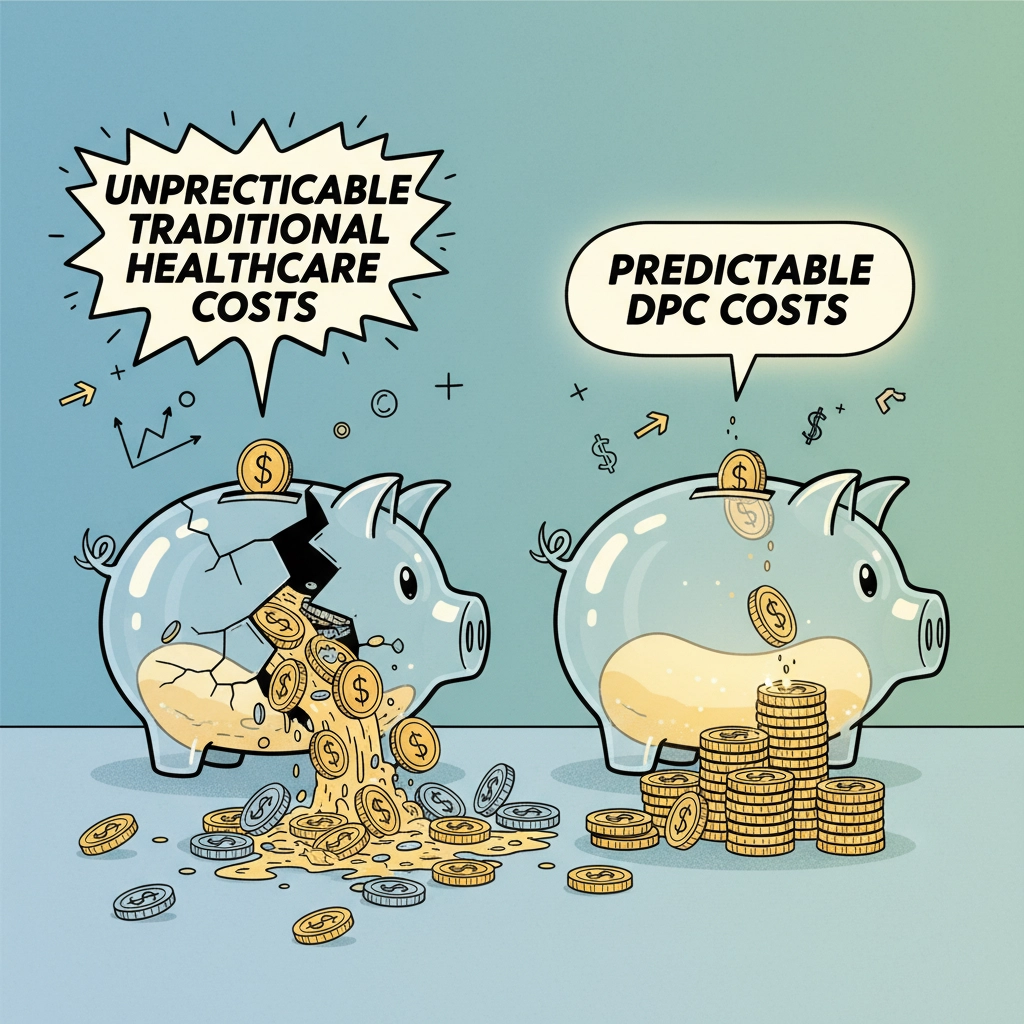
With DPC, you know exactly what you're paying each month: typically between $75-$125 per person, depending on age and the specific practice. This single monthly fee covers unlimited primary care visits with no additional copays, deductibles, or surprise bills. You can visit your doctor as often as needed without worrying about mounting costs.
Many DPC practices also negotiate significant discounts on lab tests, imaging, and prescription medications, passing these savings directly to their members. This means you often pay wholesale prices for these services rather than inflated retail rates.
Enhanced Access and Attention
Perhaps most importantly, DPC practices typically offer same-day or next-day appointments, extended appointment times (often 30-60 minutes), and direct communication with your physician via phone, text, or email. This level of access means you can address health concerns promptly, potentially preventing minor issues from becoming major: and expensive: problems.
Side-by-Side Budget Comparison
| Cost Factor | Traditional Family Doctor | Direct Primary Care |
|---|---|---|
| Monthly Cost | $400-$1,200+ (premiums) | $75-$125 per person |
| Deductibles | $2,300-$7,600+ annually | $0 |
| Office Visit Copays | $25-$50 per visit | $0 (unlimited visits) |
| Lab Tests | Variable, often $100-$500+ | Wholesale pricing, often 50-80% less |
| Prescription Medications | Copay structure varies | Discounted wholesale rates |
| Surprise Bills | Common | None |
| Annual Predictability | Low - costs vary significantly | High - fixed monthly cost |

Real-World Financial Impact
Let's look at a practical example. Consider a family of four choosing between these options:
Traditional Insurance Scenario:
- Monthly premiums: $800
- Annual deductible (family): $6,000
- Average copays for 8 visits/year: $300
- Lab work and prescriptions: $1,200
- Total Annual Cost: $16,900
Direct Primary Care Scenario:
- Monthly membership for family: $350 ($87.50 per person average)
- No deductibles or copays
- Discounted labs and prescriptions: $400
- Optional catastrophic insurance: $2,400
- Total Annual Cost: $6,600
The potential savings are substantial: over $10,000 annually in this example. Even accounting for the fact that catastrophic insurance doesn't cover everything traditional insurance might, the financial advantage is clear for primary care needs.
Who Benefits Most from Each Model?
Direct Primary Care works especially well if you:
- Want predictable healthcare costs you can budget for
- Value having easy access to your doctor
- Manage chronic conditions requiring regular monitoring
- Prefer longer, unhurried appointments
- Want to avoid insurance paperwork and prior authorizations
- Are generally healthy but want excellent preventive care
Traditional insurance might be better if you:
- Anticipate major surgeries or specialized treatments
- Prefer having all healthcare expenses flow through a single plan
- Have access to heavily subsidized employer insurance
- Need frequent specialist care or complex medical management
The Hybrid Approach: Best of Both Worlds
Many families discover that combining DPC with a high-deductible catastrophic insurance plan offers the optimal solution. This approach gives you:
- Affordable, accessible primary care through your DPC membership
- Financial protection against major medical events through catastrophic coverage
- Total annual costs often lower than traditional comprehensive insurance
- The peace of mind that comes with both excellent primary care and emergency protection
Making Your Decision
The choice between traditional family doctor practices and direct primary care isn't just about immediate costs: it's about the total value you receive for your healthcare dollar. DPC offers predictable pricing, enhanced access, and personalized attention that can actually improve your family's health outcomes while reducing overall expenses.
Consider your family's specific needs, health status, and financial situation. If you're tired of surprise medical bills, rushed appointments, and the complexity of traditional insurance, direct primary care might be the refreshing change you've been looking for.

At Prairie Rose Family Medicine, we've seen how direct primary care transforms families' relationships with healthcare. We're here to partner with you in creating a healthcare experience that actually fits your life and budget. Ready to learn more about how DPC could work for your family? We'd love to schedule a complimentary consultation to discuss your specific situation and answer any questions you might have. Contact us today to explore whether direct primary care is the right choice for your family's health and financial wellbeing.
